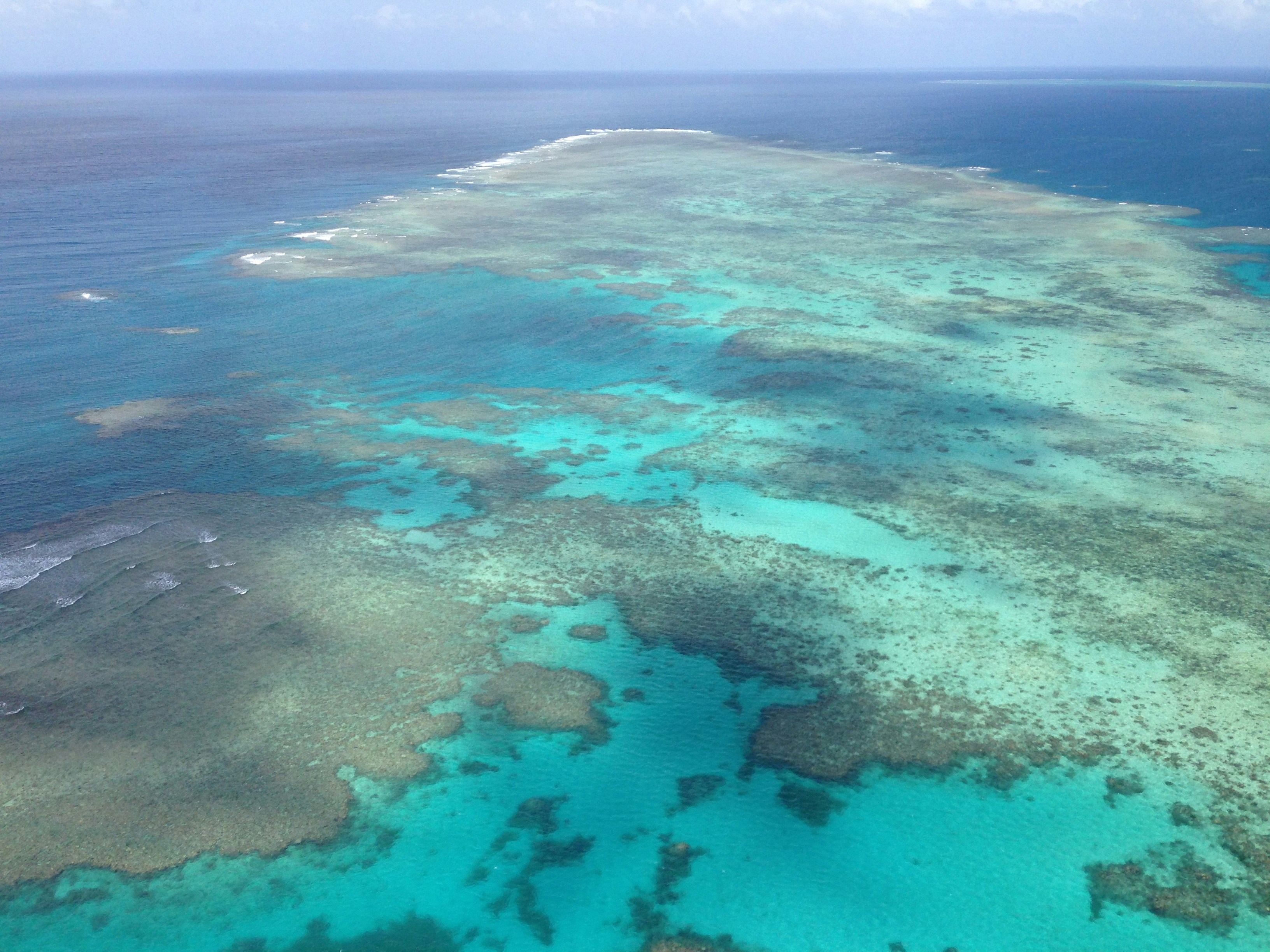
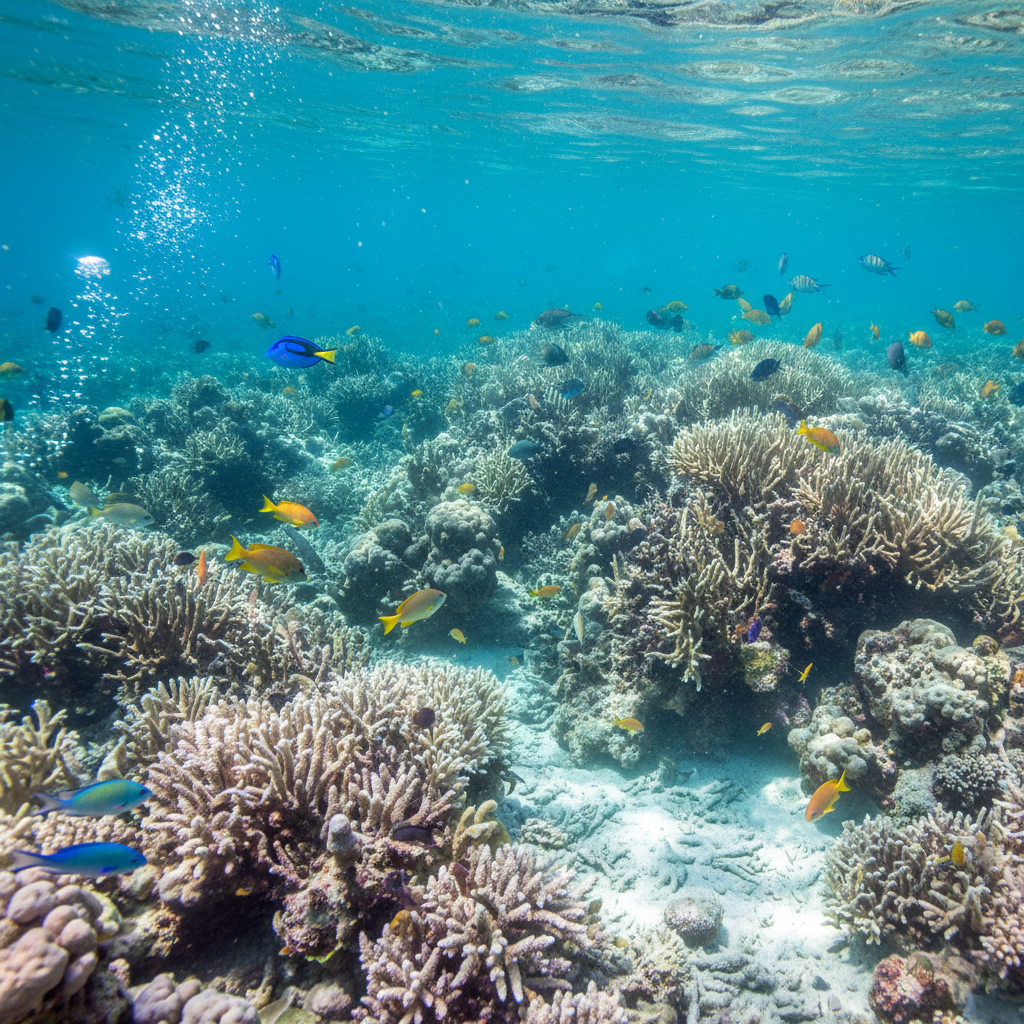
The Reef Photographed at Dawn, Dying in the Afternoon
Off the coast of North Sulawesi, field researcher Aditya Pranoto documented a bleaching event that erased 34% of living coral cover in eleven days. The images — shot at first light before thermal stress peaked — are the most precise visual record of a bleaching cascade ever published. What they show is not slow decline. It is sudden silence.
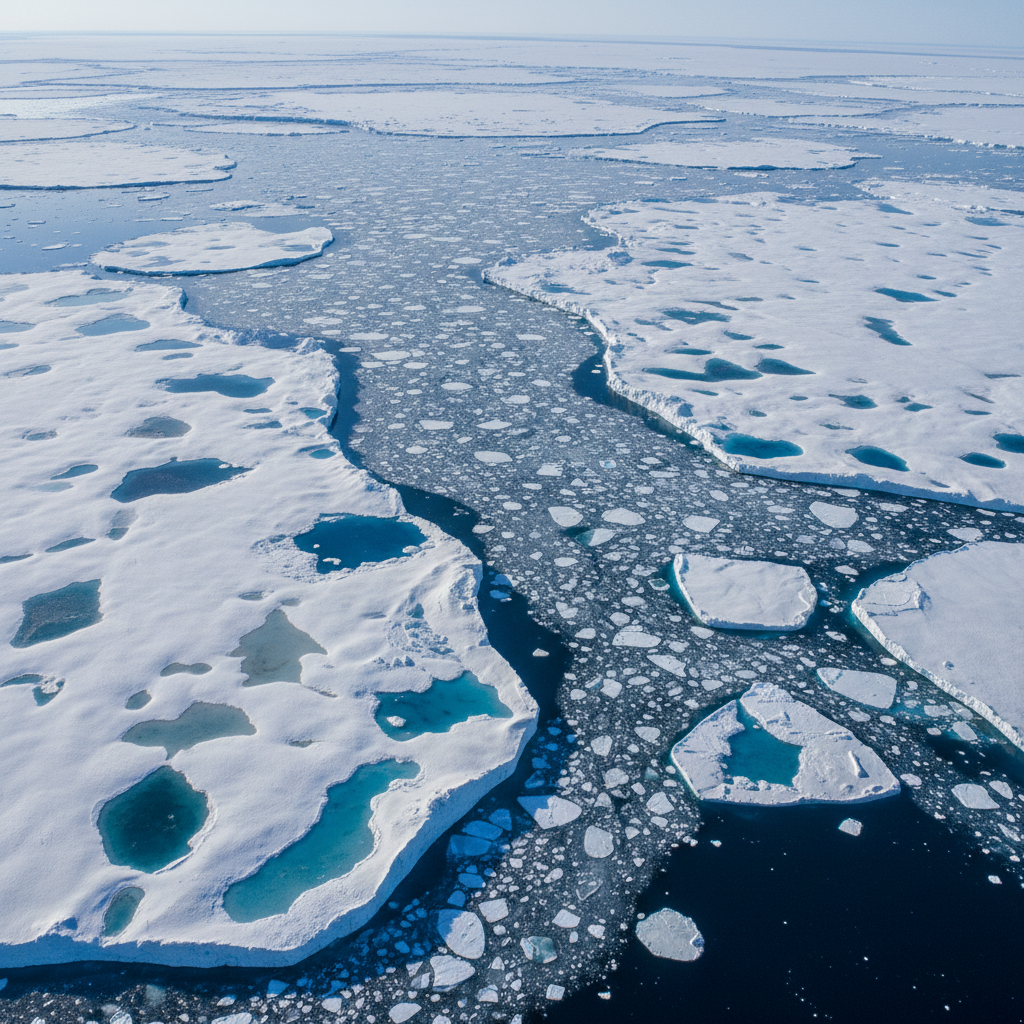
Krill Carrying the Arctic's Chemistry Lesson Southward
A joint Norwegian–Canadian survey team counted microplastic particles in 847 individual Euphausia superba specimens sampled across the Barents Sea transect. The density — 14.3 particles per gram of tissue — exceeded every prior Arctic baseline. These krill feed the food chain from herring to humpback. The contamination is not isolated. It is foundational.
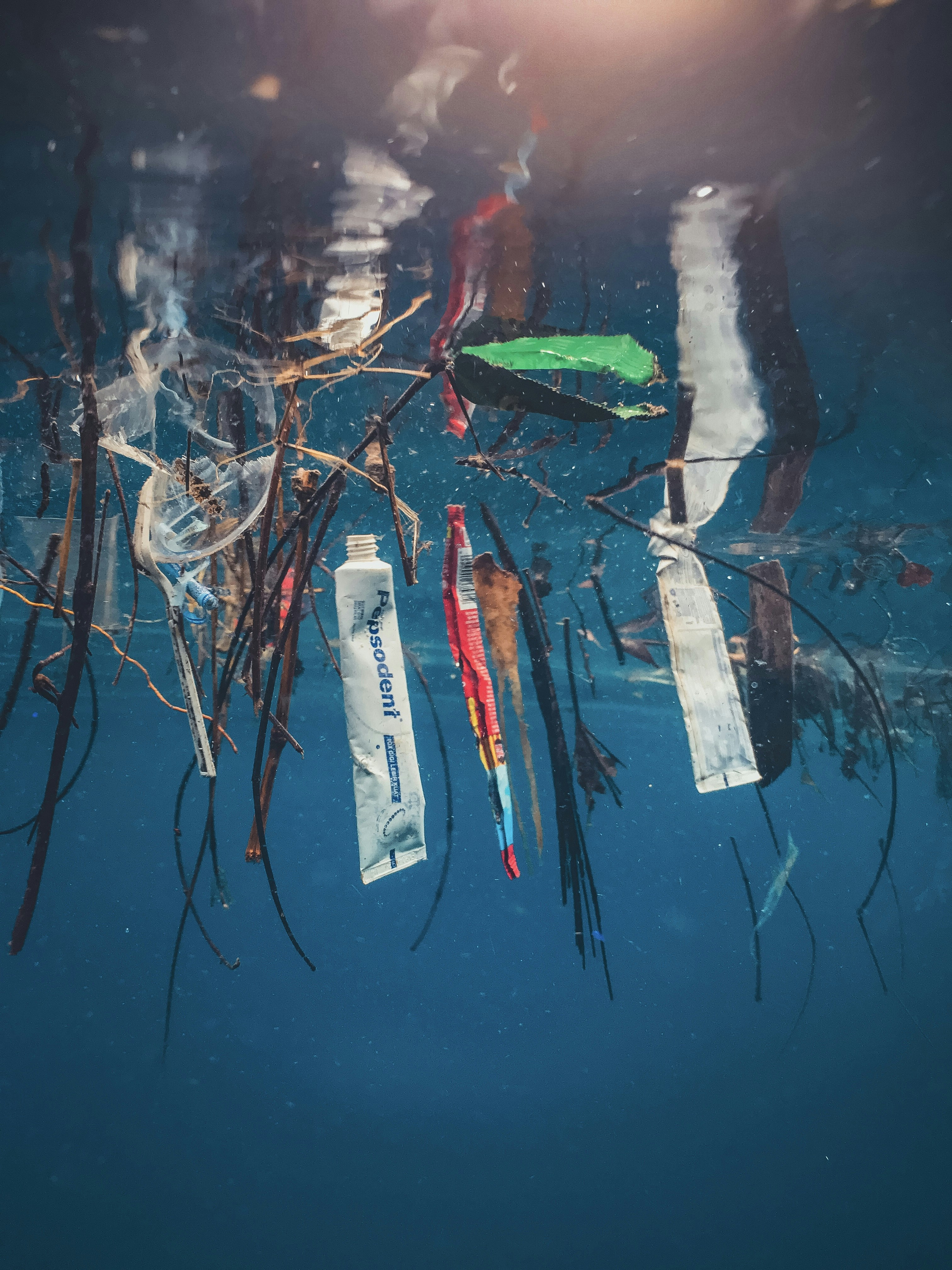
The Gyre That Does Not Move But Never Stops Growing
The North Pacific Subtropical Gyre is not a floating island of bottles. It is a lens of fragmented polymer suspended in the top two metres of ocean, invisible at the surface, detectable only by net tow. The Ocean Cleanup's 2025 density survey found concentrations 1.8× higher than their 2018 baseline — not because more plastic entered the gyre, but because what was already there had finished breaking down into particles too small to see and too numerous to count.
A Frequency the Whales No Longer Recognize
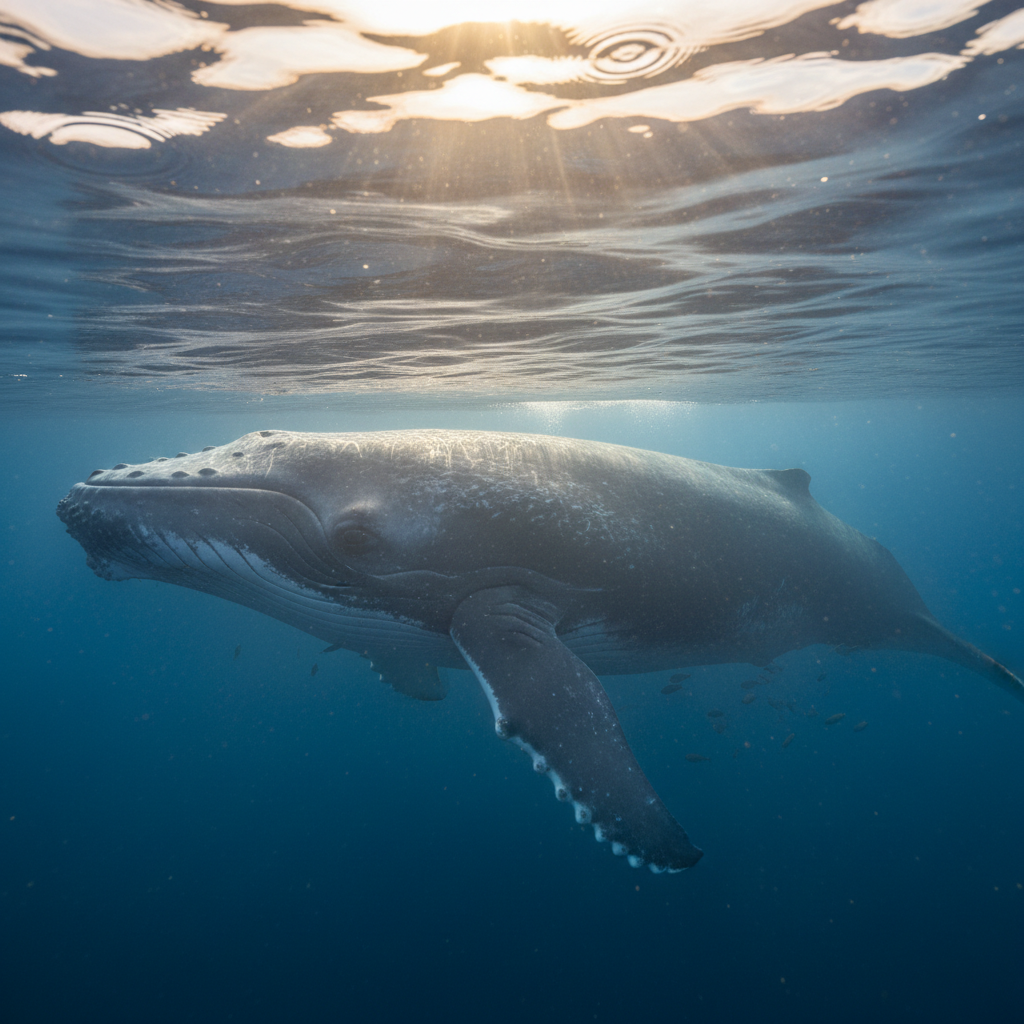
Blue whale B-calls — low-frequency contact vocalizations used across ocean basins — have shifted downward by 31 Hz since 1960. Researchers at Scripps Institution of Oceanography propose two competing explanations: population recovery changing social acoustics, or progressive noise masking forcing the animals deeper into frequency ranges below commercial shipping band. The debate is unresolved. The trend is not.
What the Pressure Zone Remembers That We Have Forgotten
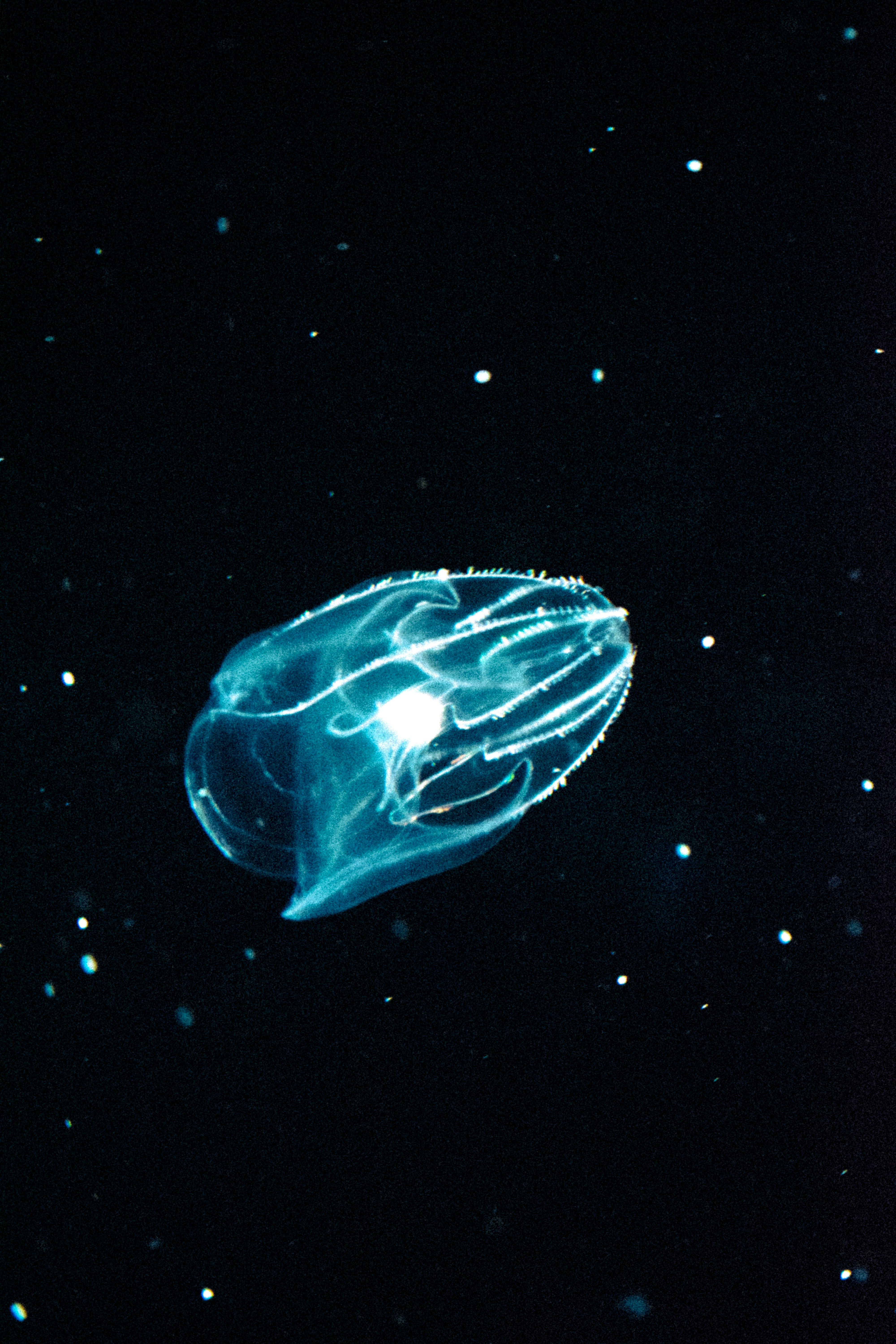
The hadal trenches — those fractures in the ocean floor deeper than 6,000 metres — were once considered biologically inert. Three expeditions in 2025 retrieved sediment cores from the Mariana, Kermadec, and Philippine trenches. Each core contained measurable concentrations of persistent organic pollutants, heavy metals, and — in the Kermadec sample — a microplastic density that matched surface water readings from the 1990s. The deep ocean is not a buffer. It is an archive.